
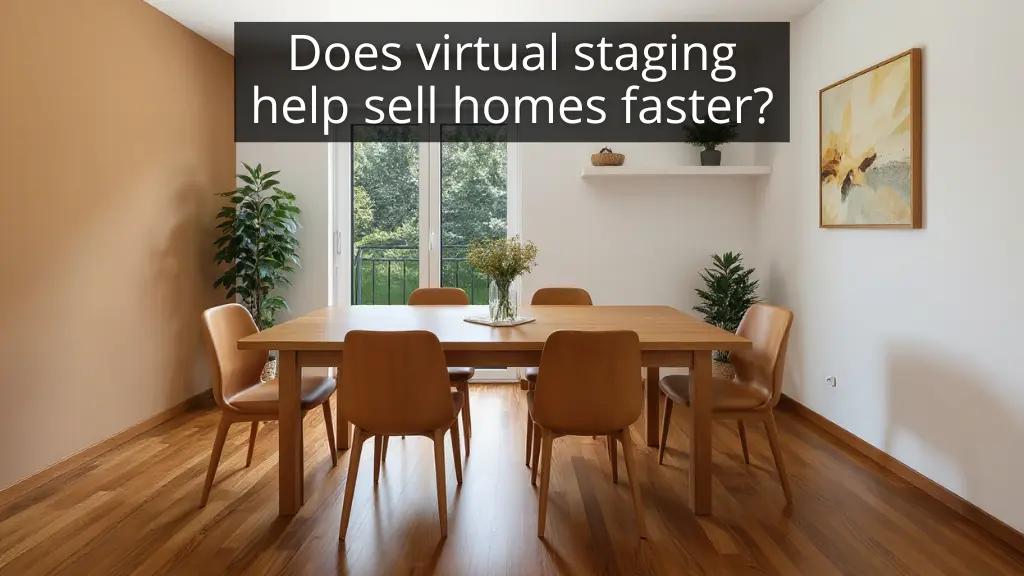
Remember when people used to flip through newspaper ads to find homes? Those days are long gone. Now, everyone starts their home search online, scrolling through listings on their phone during lunch breaks or while sitting on the couch.
And here’s the thing: when you’re scrolling through dozens of listings, an empty room just doesn’t grab your attention the same way a beautifully furnished space does.
That’s where virtual staging comes in.
What actually is virtual staging?
Think of it like Photoshop for real estate. A photographer takes pictures of your empty rooms, and then a designer digitally adds furniture, rugs, plants, and decor to those photos. The result looks real enough that you’d have trouble telling it apart from actual staging.
About 40% of buyers are more willing to visit a home in person after seeing it staged online. That’s a pretty big deal when you’re trying to get people through the door.
The big question: does it actually work?
Short answer? Yes, but with some caveats.
Research shows that staged homes can sell for 17% more than unstaged ones, and about 95% of staged homes sell within 11 days or less. That’s significantly faster than homes without any staging.
But here’s what really matters: most people can’t picture what an empty room could look like. They walk into a vacant space and just see… emptiness. When agents use virtual staging, 31% of buyers’ agents say it’s equally important to virtual tours.
Your listing photos might only get a few seconds of attention before someone scrolls past. A furnished room (even digitally) stops the scroll. It helps people imagine their couch there, their kids playing in that corner, their morning coffee routine in that kitchen.
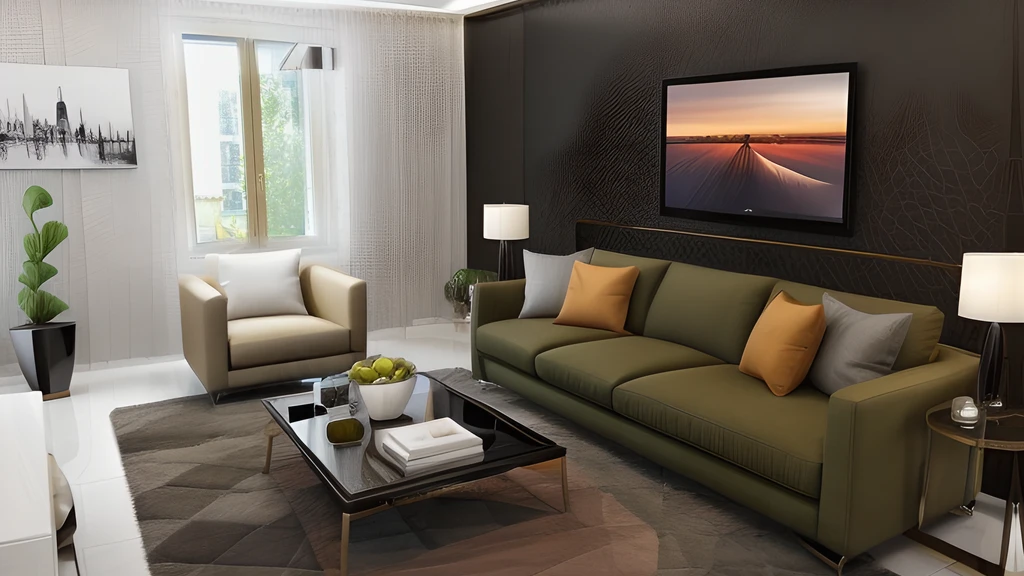
Living room photo with virtual staging tool
Why virtual staging makes sense
It’s way cheaper. Traditional staging can run you $500 to $600 per room. You’re renting furniture, paying movers, coordinating schedules. Virtual staging? Usually between $39 and $199 per room. For a whole house, that’s a massive difference.
It’s fast. Really fast. Traditional staging might take a full day or more to set up. Virtual staging can be done in a few hours, sometimes even the same day. Most virtual staging work can be completed within 24 to 48 hours.
You can get creative. That weird bonus room that’s too small for a bedroom but too big for a closet? With virtual staging, you can show it as a home office, a craft room, a yoga space, whatever works. You can even stage the same room multiple ways to appeal to different buyers.
No one’s moving furniture around your house. If you’re still living there, you don’t have strangers rearranging your stuff or hauling in rental furniture.
When virtual staging works best
Not every home needs virtual staging, but it’s perfect for:
- Empty houses. This is where it shines. Vacant homes feel cold and uninviting in photos. Adding digital furniture brings them to life.
- Homes with outdated furniture. If your current furniture is stuck in 1995, virtual staging can show what the space looks like with modern pieces.
- New construction. Builders often use this because there’s nothing to stage yet.
- Rental properties with tenants. When you can’t control what’s in the space, virtual staging helps buyers see past the current tenant’s stuff.

Home interior makeover before and after
The catches you should know about
Here’s where people sometimes mess this up:
You have to be honest about it. If you don’t clearly label photos as virtually staged, buyers can feel misled when they show up to an empty house. Use watermarks. Mention it in your listing. Include both the empty photos and the virtually staged ones.
Some MLSs have rules about this, so check before you post. Getting called out for misleading buyers is not worth the hassle.
Quality matters a lot. Bad virtual staging looks fake and actually hurts your listing. The furniture looks wrong, the lighting’s off. You need someone who knows what they’re doing.
Bring the staged photos to showings. When people tour your empty house, have the virtually staged images on hand. Show them on a tablet or print them out. It helps them connect the empty space they’re standing in with the potential they saw online.
Making virtual staging work for you
If you’re thinking about trying this, here’s what actually matters:
Choose a service that produces realistic images. Look at their portfolio. If something looks off to you, buyers will notice too.
The whole point is to make spaces stand out and help buyers picture themselves living there. Don’t go overboard with fancy furniture and decor that doesn’t match the house. A modest ranch house doesn’t need luxury penthouse furniture.
Stage the rooms that matter most: living room, kitchen, primary bedroom. These are the spaces buyers care about most. You don’t need to stage every single closet and bathroom.
If you’re using a tool like IACrea, you can actually test different styles quickly. Want to see if modern or traditional works better for your listing? Try both. The flexibility is one of the biggest advantages.